Flood Damage Restoration in Phoenix, AZ
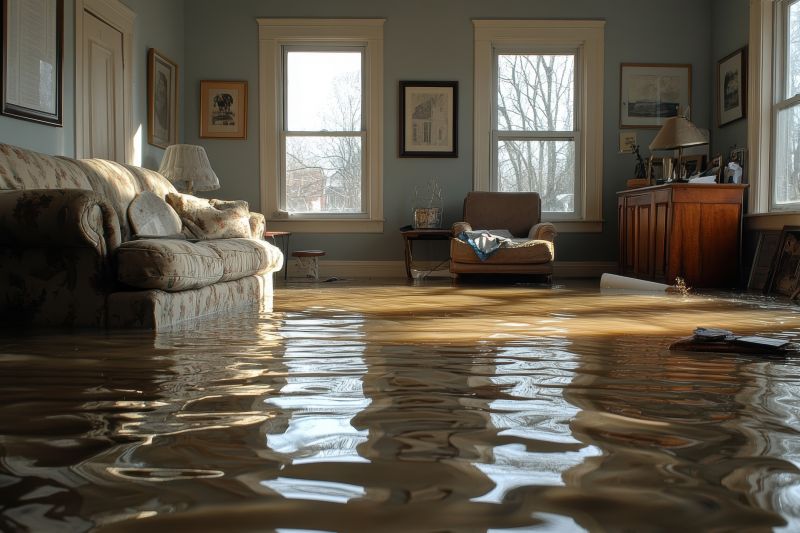
Flood damage restoration services involve the process of cleaning, drying, and repairing properties affected by water intrusion due to flooding. These projects typically cover areas such as basements, living spaces, flooring, walls, and personal belongings that have been impacted by excess water. Property owners often seek this service after experiencing heavy rainfall, storm surges, or plumbing failures that result in standing water or moisture buildup, which can lead to structural damage and mold growth if not addressed promptly.
Before requesting flood damage restoration, property owners usually want to understand the extent of water infiltration, the types of materials affected, and the scope of cleanup required. It’s important to consider whether there is ongoing water intrusion or hidden moisture that could cause future issues. Clarifying these details helps determine the necessary steps for effective restoration, including water extraction, drying, sanitizing, and repairs to restore the property to its pre-flood condition.
Many property owners in Phoenix, AZ look into Flood Damage Restoration for repairs, replacements, upgrades, and appearance-related improvements.

Water Damage Assessment
Identifying the extent of flood damage to ensure proper restoration.
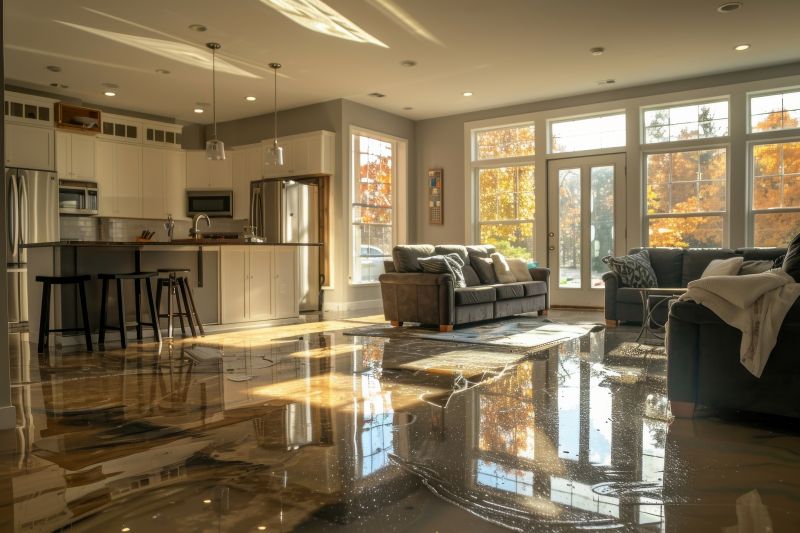
Structural Drying And Cleanup
Removing excess moisture to prevent mold growth and further deterioration.
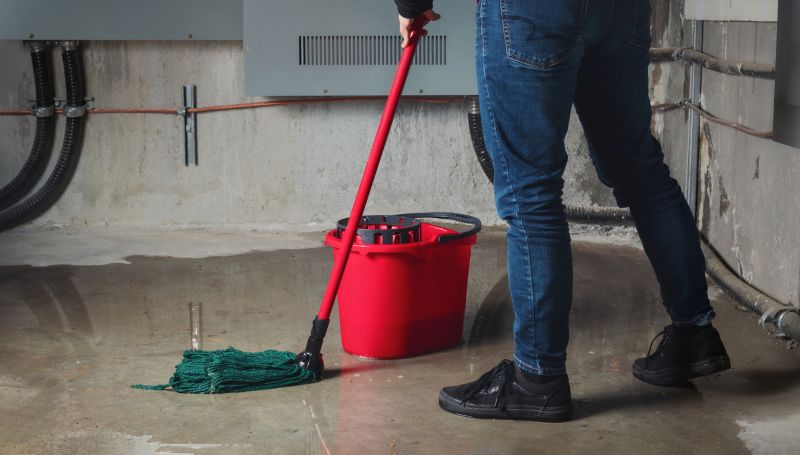
Restoration And Repairs
Restoring affected areas to their pre-flood condition with professional care.
Flood Damage Restoration in Phoenix, AZ
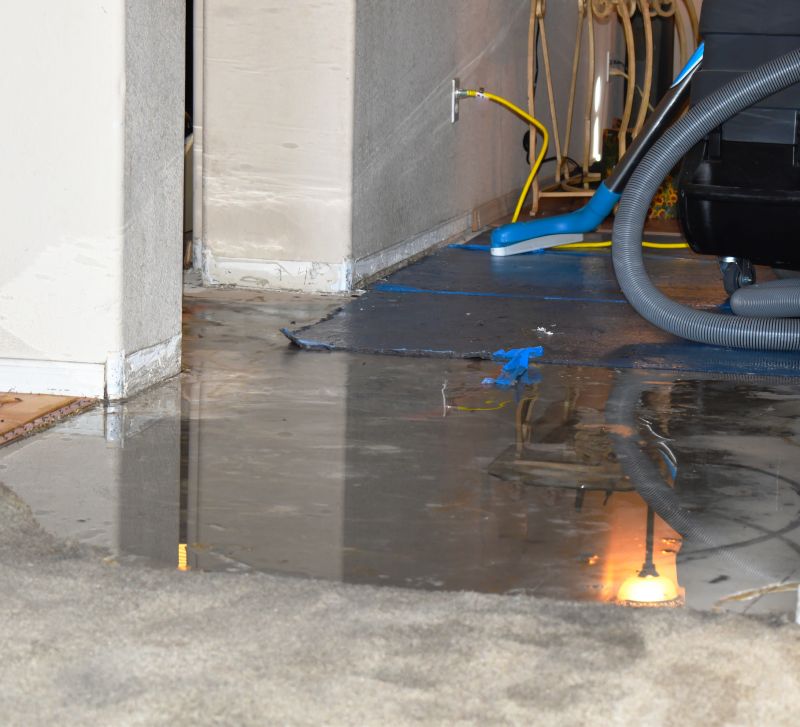
Flood damage restoration services involve the process of cleaning, drying, and repairing properties affected by water intrusion due to flooding. These projects typically cover areas such as basements, living spaces, flooring, walls, and personal belongings that have been impacted by excess water. Property owners often seek this service after experiencing heavy rainfall, storm surges, or plumbing failures that result in standing water or moisture buildup, which can lead to structural damage and mold growth if not addressed promptly.
Before requesting flood damage restoration, property owners usually want to understand the extent of water infiltration, the types of materials affected, and the scope of cleanup required. It’s important to consider whether there is ongoing water intrusion or hidden moisture that could cause future issues. Clarifying these details helps determine the necessary steps for effective restoration, including water extraction, drying, sanitizing, and repairs to restore the property to its pre-flood condition.
Many property owners in Phoenix, AZ look into Flood Damage Restoration for repairs, replacements, upgrades, and appearance-related improvements.
Common Flood Damage Restoration Jobs
Flood Damage Cleanup - removal of water and debris to prevent further damage.
Structural Drying - thorough drying of walls, floors, and ceilings affected by floodwaters.
Mold Remediation - assessment and removal of mold growth caused by excess moisture.
Water Extraction - rapid removal of standing water to reduce property damage.
Content Restoration - drying and restoring personal belongings impacted by flooding.
Flood Damage Repairs - restoring and rebuilding damaged areas to return the property to pre-flood condition.
Flood Damage Restoration Questions
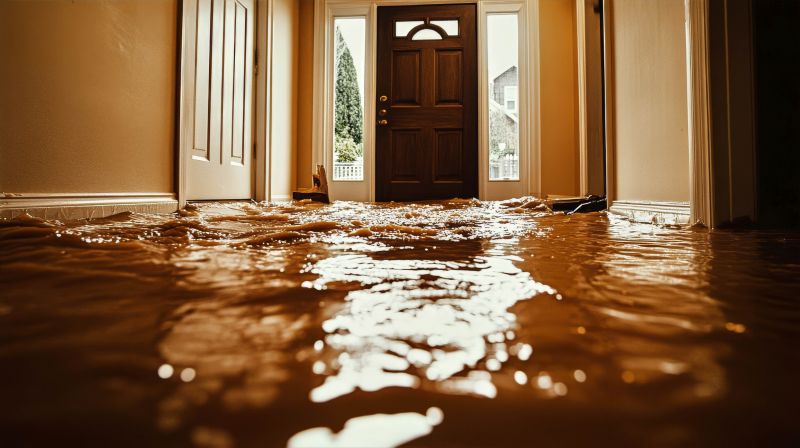
What causes flood damage in homes? Flood damage can result from heavy rainfall, burst pipes, or plumbing failures that lead to water intrusion into property structures.
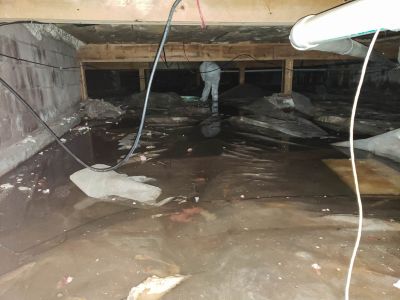
How can flood damage affect a property? Flooding can cause structural issues, mold growth, and damage to flooring, walls, and personal belongings.
What types of flood damage restoration are available? Restoration services typically include water extraction, drying, cleaning, and mold prevention to restore affected areas.
Why is prompt flood damage response important? Quick action helps prevent further damage, reduces repair costs, and minimizes health risks from mold and bacteria.
Request Flood Damage Restoration in Phoenix, AZ
Use the quote form on this page to share the basics of your project and request more information for the type of work you need.